
What Types of Dental Restoration Are Part of a Smile Makeover?
Is a smile makeover right for you? It is if you are tired of looking in the mirror and not liking what you see.

Delray Beach, FL
Although prescription medications each carry their own set of side effects, many affect oral health and dental treatment. Patients who are undergoing medical treatment or have ongoing conditions requiring medication may not be open with their dentist about the prescriptions they are taking. Despite the risks of ineligibility for certain dental treatments, the dentist must be aware of medications taken to best care for the patient’s oral health concerns.
Patients who build a strong rapport with their dentist increase the likelihood of proper treatment, preventative treatment, and altering medications to suit oral needs. At the same time, they are aware of the risks that medical and oral medications have when combined as well as procedures that put them at a higher risk of other complications. After discussing medical history and prescribed medications with a complete health dentist, a patient can outweigh the risks and rewards and come to a sound conclusion.
Complete health dentistry information is available at R & R Dentistry PA in Delray Beach and the surrounding area. We can discuss the importance of building rapport and effective communication with your primary dental provider. Call us at (561) 381-4744 to schedule a consultation appointment to go over prescriptions that may affect your dental treatment eligibility.
A primary dental provider should be aware of all conditions, medications, and prior treatments of their patients, especially those for more serious problems, such as heart disease. According to The Academy of General Dentistry, “the most common cause of drug-related interactions is the doctor’s lack of information about your medical history.” It is important to relay all medical conditions, medical history, medications, supplements, vitamins, allergies, and any adverse reactions that result from medications or treatments.
Despite oral hygiene’s positive effect on the heart, patients with heart conditions may be ineligible for certain dental procedures. Invasive dental procedures, such as periodontal treatment, may increase the risk of heart attacks and strokes. Some procedures boost inflammation in the body as it responds to bacteria entering the bloodstream after surgery. If the treatment is more detrimental than the condition itself and poses the risk of ineligibility, then a complete health dentist can weigh the circumstances and offer alternatives.
Among the most common medications that can prevent dental treatment is for high blood pressure. A Hindawi medical research journal states, “it is generally recommended that emergency dental procedures be avoided in patients with a blood pressure of greater than 180/110 mmHg.” Due to the high prevalence of disease and medication use for hypertension, complete health dentists are aware of antihypertensive medications’ oral side effects.
Complete health dentists understand the risks of dual-drug interactions of certain medical prescriptions with medications commonly used during dental visits. The term medically-compromised refers to patients with “impaired health statuses, such as pregnancy, or patients with systemic diseases like ischemic heart disease, congenital heart disease, liver disease, renal disease, asthma, patients with immunodeficiency and patients with altered immune status.” Patients who do not disclose medical conditions and medications with their dentist while undergoing dental treatment may risk worsening their medical status or even result in fatality.
Many adverse reactions occur due to drug interactions between medical and dental medications, especially when providers are unaware of a patient’s history or present prescriptions. Since most drug interactions are harmful or even deadly, primary care providers and complete health dentists understand which medications to prescribe when coupled with prescriptions for other medicines.
Patients must set aside their personal wishes for treatment when more serious conditions require ongoing medication that may interfere with dental procedures. A study on common dental drug interactions finds that “a thorough medical and drug history of all prescription, OTC, and herbal products must be taken and documented and reviewed at every dental visit.” This prevents adverse reactions, doubling symptoms, and fatal risks from occurring and allows dentists to be proactive in finding alternative measures.
Many health conditions require medications that must be taken and pose fatal risks if a patient stops taking them. Complete health dentists have extensive background and education regarding systemic health conditions requiring medications and their adverse effects when coupled with oral medications. They can adjust dosages, prescribe alternatives, and alter dental treatments to fulfill their patient’s needs.
It may be necessary to alter non-invasive dental treatments for patients with pre-existing medical conditions or patients taking certain medications. It is also possible to postpone or alter invasive treatments and surgeries if medications pose risks or interfere with a patient’s medical condition. Complete health dentists can initiate, modify, and alter treatment based on medical history with the discretion of the patient’s primary care provider and prescribe medications that sync with those the patient is already taking.
A. Disclosing medical information in any practice is confidential and will not be used for any means other than implementing an appropriate treatment plan. The dentist will need honest and accurate medical history, previous procedures, and medications to prevent drug-on-drug interference and fatal risks.
Q. Can I stop taking my prescription medication when going through a temporary dental treatment?
A. In most cases, patients should not stop taking any prescribed medications without approval or guidance from their primary care provider. A complete health dentist understands the implications regarding various general health conditions and medications. They will discuss the terms with you before treatment.
Q. Can complete health dentists determine systemic health conditions by merely looking in the mouth?
A. A complete health dentist understands the oral-systemic link and how oral health is heavily connected to general health. Often, complete health dentists notice underlying problems that may be a result of existing systemic conditions. In the same way, they can test whether existing health conditions are affecting the patient’s oral health.
Q. How can I develop trust between myself and my dentist?
A. During the first visit, a patient’s initial consultation is the perfect opportunity to begin building rapport. Ask the dentist questions about their expertise, procedures they have excelled in, and to discuss and describe your treatment plan thoroughly, giving explanations for all treatments. It is important to know your dentist and understand what they are doing, but it is also crucial to inform them of all information requested in all honesty.
By visiting us as soon as possible, our team can help get you the professional treatment you need. Instead of waiting around and allowing the symptoms to get worse, we can provide you with treatment options.

Scan here to view this page, Tell Your Dentist About Prescriptions, on mobile
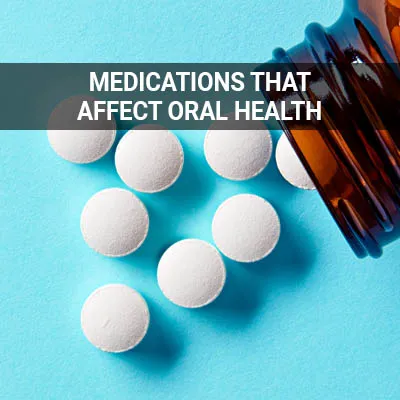

A drug interaction happens when two or more drugs react with each other causing unexpected side effects that can be harmful to the person taking the drugs.

Scan here to open directions to R & R Dentistry PA on mobile

Is a smile makeover right for you? It is if you are tired of looking in the mirror and not liking what you see.
When it comes to maintaining a healthy and beautiful smile, wisdom tooth extraction is often an essential step for many individuals.
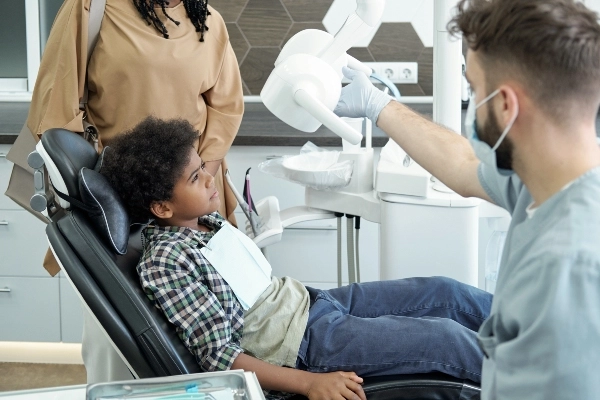
We discuss what goes on during your first appointment with a family dentist and the type of treatments they provide.

You can make the results of your smile makeover last longer by following the tips discussed in this article.