
What Types of Dental Restoration Are Part of a Smile Makeover?
Is a smile makeover right for you? It is if you are tired of looking in the mirror and not liking what you see.

Delray Beach, FL
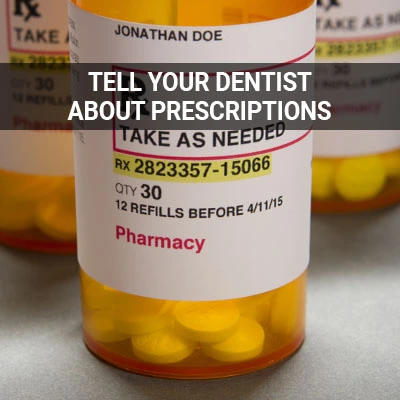
For decades, dental and medical professionals have understood the connection between oral and general health and implemented it through complete health dentistry. Through extensive research, clinical trials, and experience, they found that many medications for various health conditions affect one’s oral health. It is for that reason that dentists need to know a patient’s medical history as well as a list of all medications they are taking.
Understanding the oral-systemic link and medications that affect both medical and dental conditions can significantly enhance a patient’s well-being. We can also alter certain medications to fit the patient’s needs and help curb their symptoms or side effects. Complete health dentists can offer guidance in navigating conditions and prescribe appropriate dental medications.
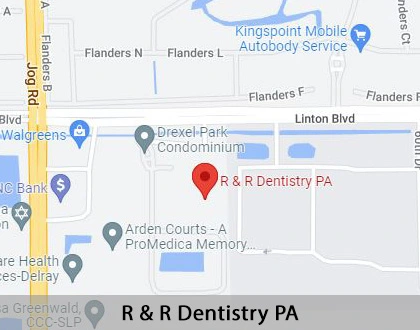
Complete health dentistry information is available at R & R Dentistry PA in Delray Beach and the surrounding area. Our staff can help you better understand the oral-systemic health connection. Call us at (561) 381-4744 to schedule a consultation appointment today.
Cancer and chemotherapy medications can affect the teeth, gums, and jawbone. The American Dental Association (ADA) found that chemotherapy medications cause soft tissue reactions such as the development of oral sores, inflammation, and discoloration of soft tissues in the mouth. These reactions can lead to dry mouth syndrome, a condition that reduces the amount of saliva the mouth produces and can result in tissues becoming irritated and inflamed.
Dry mouth irritation can eventually lead to tooth decay, tooth loss, and gum disease as there is not enough remaining tissue in the gums. Drinking plenty of water and chewing sugarless gum can enhance saliva production and relieve some of the symptoms associated with dry mouth. Saliva substitutes are also effective in combating dry mouth.
Psychoactive medications refer to drugs that change the brain’s function and alters a person’s perception, mood, cognition, consciousness, or behavior. These medications include, but are not limited to, antidepressants, anti-anxiety, stimulants, antipsychotics, and mood stabilizers. Behavior and mood-altering drugs can cause dry mouth syndrome and increase the risk of tooth deterioration.
Dry mouth syndrome leads to tooth decay, tooth loss, and gum disease because of reduced saliva production. According to Better Health, lack of sufficient saliva production inhibits saliva from:
Diabetes medications can alter a patient’s sense of taste, known as dysgeusia. According to WebMD, dysgeusia can make food taste different or cause a metallic, salty, or bitter taste in your mouth. Taste changes can lead to insufficient nutrition due to a lack of taste and appetite, which may increase oral conditions.
Periodontal disease is the most common dental disease affecting those living with diabetes, affecting nearly 22% of those diagnosed. With age, diabetic patients experience poor blood sugar control, increasing their risk of gum disease that can also affect their ability to control blood sugar levels. Gum problems make diabetes harder to control because the patient is more susceptible to infection but less able to fight it. Treating the gums, applying a meticulous oral regimen, and having regular professional deep-cleanings can help curb and even prevent oral conditions and stabilize blood sugar levels.
Certain regulatory medicines, including cardiovascular medications, cause gum enlargement, also known as gingival overgrowth. The enlargement is caused by inflammation of the gums from plaque build-up. According to Pharmacy Times, about a million North Americans are affected by drug-induced gingival overgrowth. Complete health dentists can help cardiovascular patients regulate their medications while also limiting their gum overgrowth to prevent further oral complications.
Patients with a thyroid imbalance often experience dry mouth syndrome, burning mouth syndrome, increased cavity development, enlarged tongue and gums, slow-healing mouth sores, delayed or rapid tooth growth, and osteoporosis. Thyroid medications alter the taste senses as well, which could limit a patient’s nutritional intake. Drugs that balance hormone levels may increase incidences of mouth sores, tooth decay, and difficulty swallowing.
It is important to know and understand the side effects resulting from a particular medication and how to reduce or eliminate them in an effort to maintain good oral health. Taking appropriate hygienic measures also decreases many general health symptoms as much of the bacteria in the mouth is cleared before entering the body.
Depending on the health condition, complete health dentists can offer insights on how to relieve dry mouth, enlarged gums, abnormal bleeding, taste changes, tissue reactions, bone loss, discoloration, and thrush infection. In most cases, patients cannot decide against taking medications, but dentists may lower their dosage or alter the medication to suit their oral needs. Patients should seek medical and dental advice regarding medications while also maintaining a proper oral hygiene regimen.
A. While the medications and conditions listed above are limited, they cover a wide variety of other medications under the same umbrella and have the same or similar side effects/symptoms. For example, regulatory medications may also include high and lower blood pressure medications.
Q. How can a complete health dentist reduce general health symptoms?
A. Oral and general health are linked, affecting one another. In many cases, oral health conditions indicate underlying general health issues, and a complete health dentist can diagnose them early for preventative treatments or altering medications. They can also explain how certain medications affect the patient’s oral health and how they can better care for their mouth.
Q. Do complete health dentists and medical doctors work together?
A. Complete health dentists and doctors may work together, but that is not always the case. The primary goal for each is to provide a comprehensive plan that targets all health concerns, oral or systemic. By working together, a patient is more likely to experience enhanced well-being and reduced pain or discomfort.
Q. What non-medicinal drugs can affect oral health?
A. Non-medicinal drugs can lead to dry mouth, bad breath, mouth sores, and gingivitis. These conditions occur since most non-medicinal drugs are stimulants that cause a person to grind or clench their teeth, erode teeth enamel, and reduce the amount of saliva needed to clear the mouth of bacteria and food particles. Many drug users also have poor oral care routines, making them less likely to visit a dentist regularly or maintain their oral health at home.
Q. Are there medications that can enhance oral health?
A. Many vitamins and supplements aid in saliva production or fight oral bacteria. Ionic mineral supplements (calcium, magnesium, phosphorus, potassium, and silica), fluoridated water, oral-specific probiotics can greatly improve oral health. Lastly, eating mineral-rich foods balances the pH levels in the mouth, reducing acidity, and fighting against cavity development.
By visiting us as soon as possible, our team can help get you the professional treatment you need. Instead of waiting around and allowing the symptoms to get worse, we can provide you with treatment options.

Scan here to view this page, Medications That Affect Oral Health, on mobile
An overgrowth, or enlargement, of the gum tissue that surrounds the teeth.

Scan here to open directions to R & R Dentistry PA on mobile

Is a smile makeover right for you? It is if you are tired of looking in the mirror and not liking what you see.
When it comes to maintaining a healthy and beautiful smile, wisdom tooth extraction is often an essential step for many individuals.
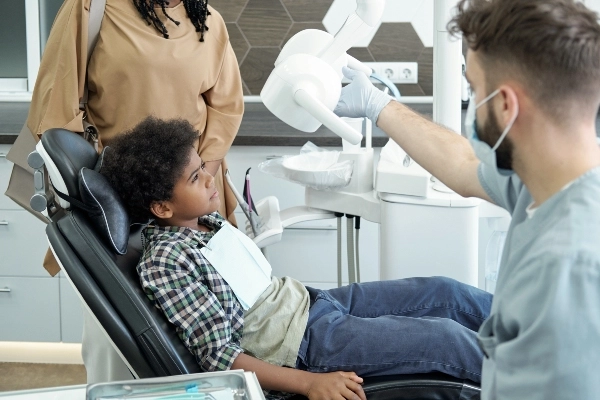
We discuss what goes on during your first appointment with a family dentist and the type of treatments they provide.

You can make the results of your smile makeover last longer by following the tips discussed in this article.