
Finding a Family Dentist Near You
Need to find a family dentist in your area? Our latest blog has got you covered with tips on finding the ideal dentist for your and your family’s dental health needs #familydentist #oralhealth

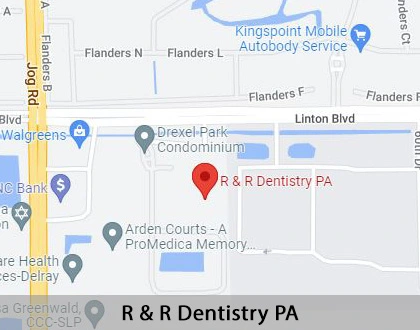
Delray Beach, FL
Today, many employers offer a flexible spending account (FSA) as part of their benefits packages. Employees can use these funds to set aside money from each paycheck. FSAs cover most out-of-pocket health care expenses, including dental treatments.
R & R Dentistry PA in Delray Beach and the surrounding area accepts FSAs. Our team works with your employer to confirm coverage. If you are confused about using your FSA, we can help you. Do not let your FSA expire. Call us at (561) 381-4744 to learn how to make the most of your funds.
FSAs can help bridge the gap left by other health insurance plans. They allow employees to use tax-free funds to cover out-of-pocket health care expenses, and they sometimes replace a traditional employer health insurance plan.
Employees can also use their FSA to supplement a marketplace plan. In other cases, the FSA may supplement an employer-sponsored health care plan. Either way, the FSA has one central purpose: to cover out-of-pocket expenses.
Employees contribute a limited amount of money to their FSA each year. These funds are taken out of the paycheck before taxable income is calculated. Afterward, employees have one year to use their funds on approved health care expenses. FSA funds can apply toward deductibles, copayments, and coinsurance. Some prescription drugs and over-the-counter medications are covered. Employees can even pay for medical devices like crutches using their FSA.
Tax savings represent the main benefit of an FSA. Since the funds are removed before taxes, employees have a lower taxable income. Some employees find that an FSA increases their take-home pay. The funds in an FSA are available at all times, with few restrictions. Most FSAs are linked to a debit card for added convenience. Patients can then use their FSA debit card at their doctor, dentist, or pharmacy. Patients usually do not need pre-approval or to do other paperwork.
However, employees can only contribute a certain amount of money each year. For most employees, the limit is $2,750 per year. Spouses can also contribute an equal amount to their own FSA. Additionally, FSA funds are tied to an employer. If an employee changes jobs, they cannot keep their current FSA
FSAs funds are “use it or lose it.” At the end of the year, employees can roll over up to $500. The remaining unused funds are forfeited to the employer. Employees must keep an eye on their FSA balance. It’s up to each patient to ensure that they use their funds before they expire.
Many patients confuse FSAs with health savings accounts (HSAs). These programs are similar, but they have a few key differences. With an FSA, employees can use their funds as a line of credit. With HSAs, employees can only spend money they have already saved. HSAs are also transferrable: employees can keep their HSAs if they change jobs.
With an FSA, employees can set aside money from their paycheck. Enrollment is available for a limited time at most workplaces. One’s employer can provide more details about where, when, and how to sign up for an FSA.
During the enrollment period, employees determine how much money they plan to save. Choosing the FSA budget can be tricky. If an employee underestimates how much money they need, they might lose out on tax savings. If they overestimate, they may lose the money. The exact amount one needs will depend on their family’s unique circumstances.
After enrollment, the money is deducted from each paycheck. Employees have until March 15 of the following year to use their funds. Keep in mind that unused funds will expire. It’s the employee’s responsibility to use their funds before the deadline.
Patients can use their FSA to cover most dental expenses, including routine care. But not all procedures and treatments are eligible. Before scheduling a dental procedure, patients should talk to their employer and plan provider. Cosmetic procedures, including cosmetic orthodontics, are usually not covered under an FSA. However, if a patient needs orthodontics for medical purposes, they might be allowed to use their FSA funds. Our dental team can work with your plan provider to determine coverage.
FSAs cover a wide range of dental services, including:
Employees can also use their FSA funds for other health care expenses, such as:
FSA funds can go toward most preventive and diagnostic procedures, though some exclusions may apply. One’s employer and plan provider can provide details about specific rules and exemptions.
A. Your employer may offer a flexible spending account (FSA) as part of your benefits package. With an FSA, you can set aside money from each paycheck for health care expenses. These funds are not taxed, and you can withdraw the funds as needed. You can decide how much you want to contribute each year.
Q. How much money can I put in my flexible spending account?
A. Maximum annual contributions can vary. If you have a medical FSA, your yearly maximum is $2,750. With a dependent care FSA, the yearly maximum is $5,000. Your employer can provide more details about their policies.
Q. Where can I use the money in my flexible spending account?
A. Most employers use their FSA to pay for expenses not covered by their health insurance policy. The funds can apply toward out-of-pocket costs like deductibles, coinsurance, and copays. You might also use your FSA for dental, orthodontic, and vision care.
Q. Does my money roll over?
A. You can roll over up to $500 from one year into the next. However, the remaining money will be forfeited to your employer at the end of the year. Patients should keep an eye on their FSA balance and use their funds before the year’s end.
Q. What happens to the money in my flexible spending account if I change jobs?
A. Unlike HSAs, FSAs are owned by employers. If you leave your current employer, you can’t take the funds with you. Instead, you must use up your funds before your employment is terminated. Otherwise, you forfeit the remaining balance to your employer.
By visiting us as soon as possible, our team can help get you the professional treatment you need. Instead of waiting around and allowing the symptoms to get worse, we can provide you with treatment options.

Scan here to view this page, Flexible Spending Accounts, on mobile

Part of an insurance policy that indicates a specified amount of money that the insured must pay prior to the coverage amount.

Scan here to open directions to R & R Dentistry PA on mobile

Need to find a family dentist in your area? Our latest blog has got you covered with tips on finding the ideal dentist for your and your family’s dental health needs #familydentist #oralhealth
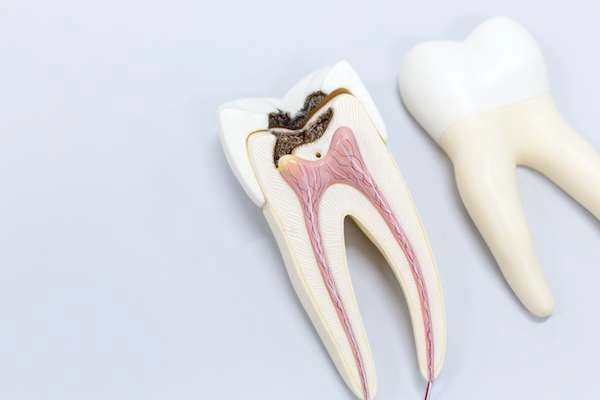
A general dentist explains how a tooth still can receive nourishment from the tissue around it even when the pulp material is removed during the root canal process.
When it comes to maintaining a healthy and beautiful smile, wisdom tooth extraction is often an essential step for many individuals.

A smile makeover plan will include details about the appointment schedule and duration. The dentist will first address any dental issues that may jeopardize the result.