
Bleeding Gums and Gumline Infection
When people experience bleeding gums while brushing, they might not believe there is much cause for alarm because it is a common problem.
Delray Beach, FL
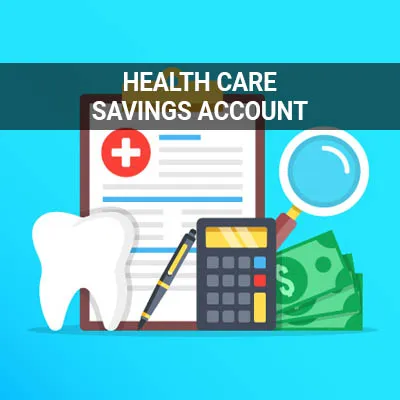
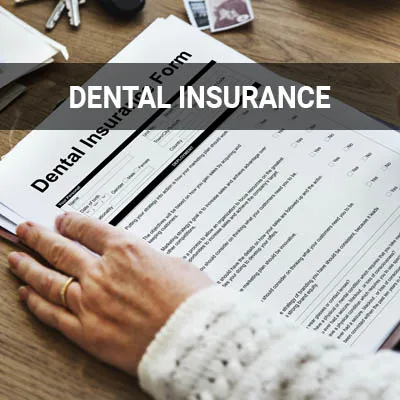
The cost of healthcare can be intimidating. Luckily, there are ways to save on insurance and out-of-pocket costs. A healthcare savings account is one strategy to help offset the cost of medical and dental expenses.
Patients with healthcare savings accounts can use them for dental services at R & R Dentistry PA in Delray Beach and the surrounding area. Our team works with clients to determine the optimal financial strategy for treatment. Call us at (561) 381-4744 to learn more or to schedule an appointment.
As Healthcare.gov explains, an HSA is a tax-free account people use to help cover some medical costs. To contribute to an HSA, patients must have a high-deductible insurance plan. There is a yearly limit to the amount of money contributed to an HSA plan.
Unlike flexible savings accounts, the funds in an HSA roll over each year. This allows the balance to continue to grow. Once individuals reach retirement age, they can use their HSA funds for anything, not just medical expenses. An HSA is a great investment tool for retirement since other types of retirement accounts incur taxes.
One of the greatest benefits of opening an HSA is its lower tax liability. Lowering tax liability with an HSA allows people to keep more of their paycheck each year and give less to the IRS. Benefits to opening and contributing to an HSA include:
The key to taking advantage of the HSA rules is to spend and invest wisely. Since there are many benefits to keeping an HSA for retirement expenses, it is important for people not to spend all their contributions. Instead, opt to spend a little on routine out-of-pocket medical or dental expenses and keep the balance growing with contributions.
Many dental expenses qualify for HSA spending. For items that are not covered by insurance, the HSA can help bridge the gap. To grow an HSA balance, it is a good idea to invest a portion of it in mutual funds, bonds, or stocks.
When changing jobs, there is a procedure for transferring the HSA to the next employer. The rules of transferring an HSA are dependent on the employer-sponsored health insurance plan. If the new workplace does not offer a high-deductible health plan, the employee may not be eligible for making contributions to the HSA anymore.
It may be necessary to roll over the funds from one HSA account to another when transferring to another employer-sponsored HSA. Another option is to keep the old account open and start a second HSA with the new employer. While the old HSA will not be available for contributions, people can still use it for withdrawals.
There are different strategies for the timing of opening a new HSA. If a person is qualified, they can open an HSA account at any time. We recommend that people open an HSA at the beginning of their careers when they are young and healthy and do not have many medical expenses.
Young people may also benefit from a high-deductible plan and get the most out of the potential long-term retirement savings. People interested in opening an HSA should develop an investment and savings strategy. Then they should research the different options for opening and setting up an HSA.
A. HSA withdrawals are only tax-free when spent on qualifying medical expenses. These include out-of-pocket expenses for doctor visits, medical procedures, co-pays, dental costs, vision care, medications, and feminine hygiene products. The expenses can be for the individual, a spouse, or a dependent.
Q. How much can I contribute each year to my HSA?
A. Each year, the IRS sets a limit on the amount of money someone can contribute to an HSA. For 2021, the limit for an individual is $3,600, and for a family, it is $7,200. Individuals over the age of 55 can contribute an additional $1,000 each year as a catch-up contribution.
Q. What is a high-deductible health insurance plan?
A. To qualify for an HSA, an individual must be participating in a high-deductible health plan. With these, the individual is responsible for paying a certain amount before the health insurance company steps in and starts covering expenses. The deductible needs to be at least $1,400 for an individual plan or $2,800 for a family plan.
Q. What are the penalties for withdrawing funds for ineligible purchases for an HSA?
A. There is a penalty when using an HSA to pay for things that are not qualifying medical expenses. First, you have to pay taxes on that money as it now counts as income. Next, if you are younger than 65, you are charged another 20% penalty on the funds. To avoid this, do not withdraw HSA funds for non-medical expenses.
Q. Who else can contribute to my HSA?
A. Some employers also make contributions to their staff’s HSA plans. If your job contributes to your HSA, be sure that you do not go over the IRS contribution limit. Excess contributions will result in a 6% tax penalty.
By visiting us as soon as possible, our team can help get you the professional treatment you need. Instead of waiting around and allowing the symptoms to get worse, we can provide you with treatment options.

Scan here to view this page, When to Spend Your HSA, on mobile
Health care services that are justified as necessary for the well-being of a patient.
Health conditions that directly relate to the functionality or aesthetics of the mouth, teeth, gums, jaw, or throat.
An out of pocket medical expense is anything a person has to pay for medical reasons that is not covered by insurance. These typically include co-payments, deductibles or uninsured prescription and procedure costs.

Scan here to open directions to R & R Dentistry PA on mobile
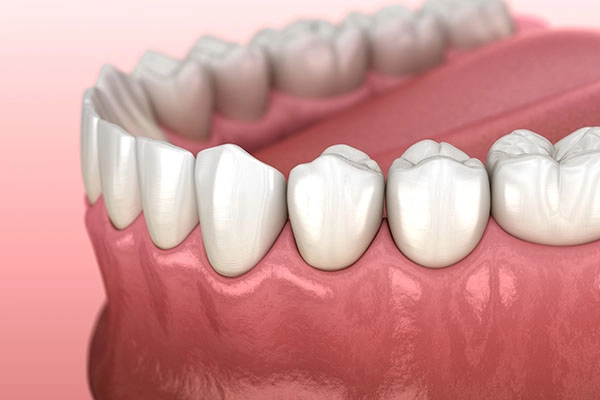
When people experience bleeding gums while brushing, they might not believe there is much cause for alarm because it is a common problem.
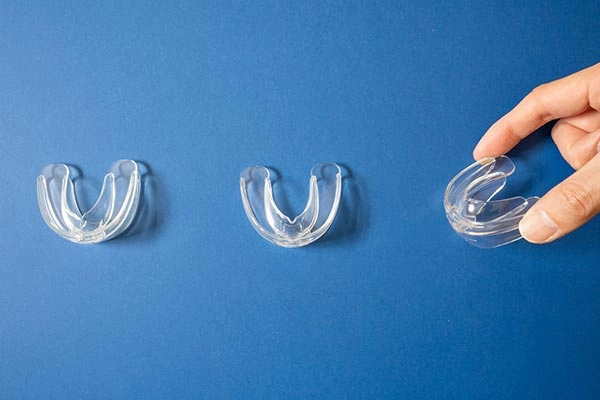
A custom-fit mouthguard from a general dentist provides maximum comfort, helps prevent the effects of bruxism, and protects the tongue ...
A family dentist can treat family members of all ages, ranging from toddlers who have just gotten their primary teeth to elderly ...
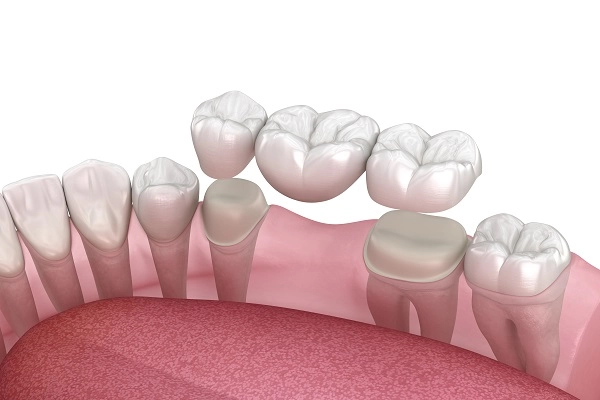
Bridges are fixed prosthetics that can help solve the gap of missing teeth. They are an excellent option for individuals who may not need a complete set of dentures, as they are only missing a few teeth.