
The Benefits of Consulting a Family Dentist for All Age Groups
A family dentist can treat family members of all ages, ranging from toddlers who have just gotten their primary teeth to elderly ...
Delray Beach, FL
Younger children sometimes show signs of an orthodontic issue. It is important to consider possible orthodontic options for smaller patients. Phase 1 orthodontics are early orthodontics treatment options for juveniles who do not have their permanent adult teeth yet.
Early orthodontics are available at R & R Dentistry PA in Delray Beach and the surrounding area. The providers at our office can evaluate young children for potential orthodontic issues. Early intervention may benefit children who may have complex bite or orthodontic issues and prevent more extensive dental treatments later on.
Child orthodontics treatment may require a two-phased approach, starting as early as age 7 to correct some issues. Our team can help you determine if your child needs early orthodontic treatment. Call us at (561) 381-4744 to find out if your child should be evaluated for early orthodontics treatment.
When children still have their baby teeth, they may show signs of needing early orthodontic interventions to correct certain problems. Children with extra teeth or exceptionally crowded teeth may be candidates for early treatment. Teeth that are excessively spaced out may also be a sign that early orthodontics could be beneficial.
Besides the spacing and positioning of the teeth, early orthodontics may also benefit children with bite problems. An underbite, where the lower teeth jut out further from the upper teeth, and a crossbite, where the jaw appears to shift to the side, may be successfully treated with early orthodontics. Genetics is the most common reason why a young child may have a bite problem, but some of these problems may be linked to thumb-sucking, prolonged pacifier use, or bottle use.
During phase 1 treatment, the orthodontist may use a variety of dental appliances to help align the patient’s teeth. Phase 1 treatment usually occurs when the child still has their baby teeth. There are also some early orthodontics treatments that use braces during phase 1.
The orthodontist may use space maintainers or spacers to help space out crowded teeth. Expanders are also used during some phase 1 treatment plans to help gently expand the palate. Phase 1 treatment may also consist of appliances such as headgear, retainers, and braces to guide the jawbone and permanent teeth growth into a better position.
According to the American Association of Orthodontists, children should see an orthodontist by age 7. Phase 1 orthodontics typically begins around age 6 and up to age 9. This treatment phase may last between nine and 18 months, depending on the severity and specifics of the child’s bite or teeth alignment problems.
After completing phase 1, the next step is phase 2 orthodontic treatment. R & R Dentistry PA carefully evaluates each patient’s progress during phase 1 before transitioning to the next step. Here is what happens during phase 2 of an early orthodontic treatment plan:
While a two-phased approach to orthodontics can benefit many cases, some patients may be fine skipping phase 1. If the child has already lost most of their baby teeth, it may be better to opt for phase 2 treatment only. Additionally, there are some patients with minor problems that may not need extensive phase 1 intervention.
A. At age 6 or 7, children still have most of their baby teeth. According to the American Dental Association, most children this age also have their permanent two front teeth and first adult molars. These adult teeth are key in determining a child’s bite and evaluating their teeth alignment.
Q. How often should children go to appointments for an early orthodontics treatment plan?
A. During the phase 1 treatment stage, children may have to come to the office for appointments every four to eight weeks. These regular monitoring appointments are necessary to check progress. After the child transitions to phase 2, there will still be a need to attend regular monitoring and adjustment appointments.
Q. How is an expander used in phase 1 orthodontics?
A. An expander is a dental appliance used in orthodontic treatment to enlarge the palate structure. This helps make more room for the adult teeth and phase 2 treatment. Children may be fitted with upper or lower palate expanders in their mouth for a series of weeks or months.
Q. What are spacers during early orthodontics?
A. Some patients may need spacers during the first few months of early orthodontics treatment. Spacers are small bands that are placed between the teeth to help open up the space for future dental appliances. Rubber spacers may be worn for a week or two, and metal spacers for longer.
Q. What are some post-procedure care steps for early orthodontics?
A. Since early orthodontic treatment is a multi-stage process, there may be several instances of post-procedure care. After children get an expander, dental appliance, or braces, there may be a period of time with some minor discomfort. The orthodontist may also provide instructions about temporary diet modifications a few hours after treatment.
By visiting us as soon as possible, our team can help get you the professional treatment you need. Instead of waiting around and allowing the symptoms to get worse, we can provide you with treatment options.

Scan here to view this page, Denture Relining, on mobile

Pediatric dentistry is the specialty branch of dentistry that focuses exclusively on children.

Scan here to open directions to R & R Dentistry PA on mobile

A family dentist can treat family members of all ages, ranging from toddlers who have just gotten their primary teeth to elderly ...
When it comes to maintaining a healthy and beautiful smile, wisdom tooth extraction is often an essential step for many individuals.
When it comes to maintaining a healthy and beautiful smile, wisdom tooth extraction is often an essential step for many individuals.
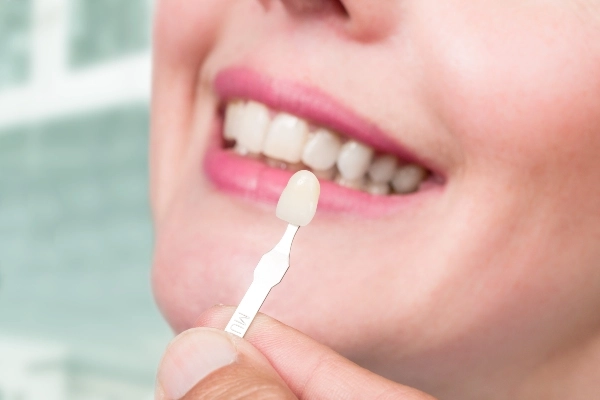
The first appointment for dental veneers is important since this is the time when your dentist will get to know your dental needs. Knowing what to ask your dentist can help you understand and prepare for your treatment.