
4 Questions to Ask About Dental Crowns
Learn the four questions you need to ask before getting dental crowns. These questions will help you understand this restoration technique.
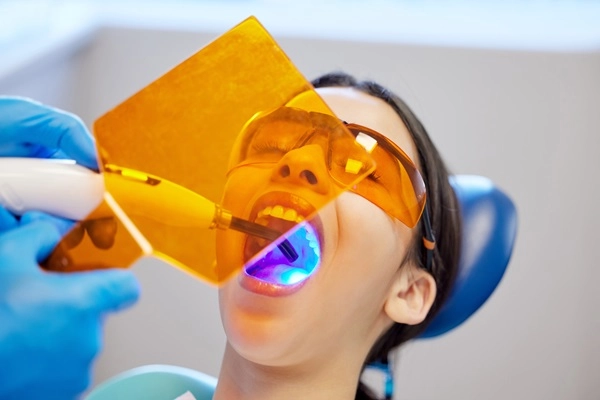
Dental bonding is a treatment that can help correct imperfections in your smile. Dentists often recommend this procedure for chips, cracks, and even gaps between the teeth. However, this procedure does not work for all dental issues. This article covers situations where dental bonding would be the right treatment.
Dental bonding involves the application of a composite resin to alter the tooth’s appearance. The composite material is applied over the teeth and hardened to achieve the desired size and shape. The dentist can use dental bonding to repair small cavities, cracks, and chips in the teeth. The composite material is customizable to match the tooth’s color, meaning any work done will be indistinguishable.
At the initial consultation, the dentist will discuss with the patient to know what they expect their teeth to look like. They will then proceed to take X-rays and examine the condition of the gums and tooth. In preparation for the bonding process, the dental professional will match the color of the bonding material to the teeth. Subsequently, the dental professional will roughen the outer layer of the tooth so the bonding material can stick better to that area.
They will apply the composite material to the tooth, and then shape and smooth it. After getting the desired appearance, the dentist will use a curing light to harden the material and bond it to the teeth. After polishing the resin, they will check the patient’s bite to ensure proper alignment. The dental bonding treatment only requires one dental visit and lasts about 30 to 60 minutes.
After the dental bonding treatment, patients can continue to care for their oral cavity as they did before. They will still need to brush twice daily, floss once a day, and visit the dentist for regular dental checkups. Besides routine dental care, it is advisable to avoid eating or drinking anything that can stain or contaminate the resin or chewing on hard foods that can break the teeth. With proper maintenance dental bonding can last between three to 10 years. Patients may need occasional restoration treatments.
Dental bonding candidates need to have adequate enamel and healthy teeth. The dentist will examine the patient’s teeth to ascertain if the procedure will be enough to correct the dental issue. Bonding may be the right choice for those who have:
Bonding requires little downtime and is usually less expensive than alternatives such as veneers.
If the tooth has suffered severe damage, dental bonding might not be the best option. In some cases, dental fillings can repair bigger cavities. The dentist may opt to protect a cracked tooth with a crown. Also, in cases of severe dental misalignment or gaps, orthodontic treatment may be the better option to restore the smile.
Patients also need to know that bonding is slightly weaker and less resistant to staining compared to veneers and crowns. Some actions may cause the resin to become stained or deteriorate faster than usual. Dental bonding might not be the ideal choice for patients who tend to bite their nails, pens, or other hard foods frequently. Foods such as berries and coffee stain the resin, and smoking discolors it.
Good oral health is an important factor for getting dental bonding. This means there must be enough tooth structure for the composite material to bond to and the teeth and gums need to be healthy and free of infection. Before proceeding with dental bonding, the dentist will ensure patients get treatment for oral issues such as gum disease, oral infections, or cavities.
Using resin to improve the teeth’s appearance does not cause major problems with dental health. In fact, many patients pick this technique as it requires removing only a little bit of the outer layer of the tooth. Bonding is temporary and its effects can be undone. Removing the composite resin does not typically damage the teeth. This means patients can opt for other options later in life.
If you have questions about dental bonding or think it might benefit you, you can contact our dental office today for a consultation.
Request an appointment here: https://rrdentistrysofl.com or call R & R Dentistry PA at (561) 381-4744 for an appointment in our Delray Beach office.
Check out what others are saying about our dental services on Yelp: Dental Bonding in Delray Beach, FL.
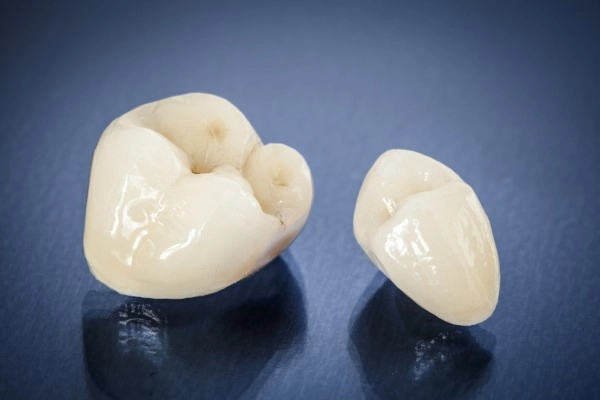
Learn the four questions you need to ask before getting dental crowns. These questions will help you understand this restoration technique.
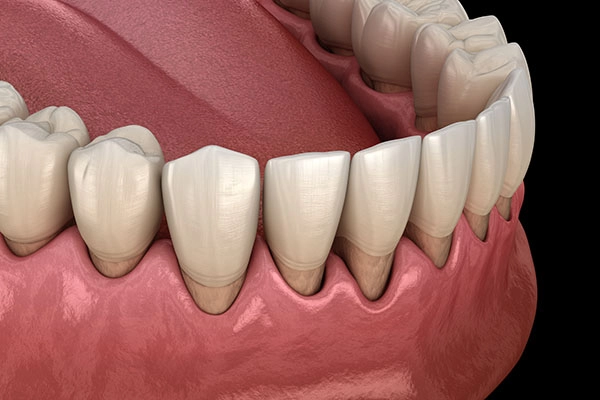
Many people think it is a normal part of an oral care routine, but dentists warn that bleeding gums are a sign something is wrong.

Finding the right cosmetic dentist requires careful consideration of various factors, from qualifications and experience to technological adoption and patient feedback.