
Foods To Avoid if You Have Dentures
Regardless of what you include in your diet, remember to keep your dentures clean and well cared for.
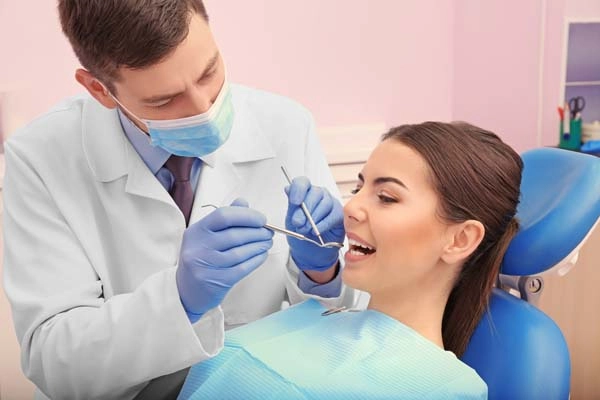
Restorative dentistry aims to bring back your smile and dental health. You may want to have dental restorations to regain your youthful appearance. But by getting this treatment, your dental health can improve. Here are the details on how restorative dentistry can make your dental health better.
A general dentist will examine the patient’s teeth, gums, and jawbone. The assessment will determine if the patient can get a dental bridge. This dental restoration can replace at least one tooth between two natural teeth. The two teeth on both sides of the dental gap will serve as abutment teeth. The dentist will place dental crowns on these teeth so that they can support the prosthetic teeth or pontics. This type of restorative dentistry treatment will fill the dental gap and complete the patient’s smile.
The dentist will match the color of this restorative dentistry treatment to the color of the patient’s natural teeth. Cementing the dental crowns to the abutment teeth will give the stability that the individual needs. Once the dental bridge sets, the individual can bite, chew, smile, and speak without issue. The crowns and pontics are often porcelain, which is durable enough to withstand normal dental functions.
This form of restorative dentistry can give the individual a new appearance and dental function. It can also protect one’s oral health. Tooth loss leaves spaces that can trigger dental shifting. The neighboring teeth will move into these gaps. A dental bridge can fill the spaces and prevent dental loosening and shifting. It can also prevent tooth loss.
Restorative dentistry in the form of a dental bridge can help correct bite problems. This can then prevent jaw issues. Proper dental alignment can also prevent early dental wear. It can also make dental functions painless. A dental bridge can improve one’s oral hygiene as well.
This type of restorative dentistry is for teeth that have severe damage. The dentist can provide a dental crown for teeth that have large fillings. This dental restoration can keep the filled tooth together and protect it from future damage. Crowns are made of porcelain, which is durable and stain-resistant.
A dentist can provide a crown as a means to straighten teeth without wearing braces or clear aligners. It can cover the entire tooth above the gumline. This type of restorative dentistry can also follow root canal therapy. The dentist can place the dental crown over the treated tooth.
Porcelain is a common material for dental crowns. It may not be as strong as natural teeth, but it can still endure some wear. The appearance and texture of porcelain crowns are like those of natural teeth. Each crown is custom-fit. This gives the wearer the feeling of security that the restorative dentistry treatment will not fall out. The dentist will cement the crown to the tooth, allowing it to blend well with the surrounding natural teeth.
Restorative dentistry offers dental implants as permanent dental replacements. Studies show that implants are the gold standard of dental restorations. Titanium rods serve as dental roots. These rods merge with the jawbone and gum tissue.
Many patients prefer dental implants to other restorative dentistry treatments. Implants prevent jawbone loss because they signal the body to send nutrients to the jawbone for tissue and repair. The longer the rods merge with the jawbone, the stronger and thicker the jawbone becomes. The dentist will place porcelain dental crowns on the rods. The patient’s dental implants will blend well with the neighboring teeth as well.
The general dentist will always aim to maintain a natural dental structure. Onlays and inlays make this happen. These treatments can treat severe damage on the chewing surfaces of teeth. These restorative dentistry treatments can seal off the damaged areas of the affected teeth. Onlays and inlays strengthen and protect the damaged teeth from injury. The dentist will match the color of these treatments to the color of the neighboring natural teeth.
Taking care of one’s health is a priority. This involves proper oral care. That is why investing in dental restorations is important. Below are the benefits that one can get from restorative dentistry:
Bringing back your smile can enhance your appearance and dental function. Your dentist can determine which treatment can help you the most. It may take a number of appointments depending on the degree of damage or tooth loss, but the results will always be worth your while. Working with your dentist can help make your restorative dentistry treatment last for a long time.
Request an appointment here: https://rrdentistrysofl.com or call R & R Dentistry PA at (561) 381-4744 for an appointment in our Delray Beach office.
Check out what others are saying about our dental services on Yelp: Restorative Dentistry in Delray Beach, FL.

Regardless of what you include in your diet, remember to keep your dentures clean and well cared for.

If you are considering dental veneers, the process can be daunting. Luckily, our latest blog provides all the information you need to know. From the initial consultation to the placement, we have you covered! #dentalveneers

Fix cracked, chipped, stained, and uneven teeth with dental veneers. Not only do they look natural, but they feel natural as well. Learn how #dentalveneers manage to emulate real teeth.