
4 Questions to Ask About Dental Crowns
Learn the four questions you need to ask before getting dental crowns. These questions will help you understand this restoration technique.
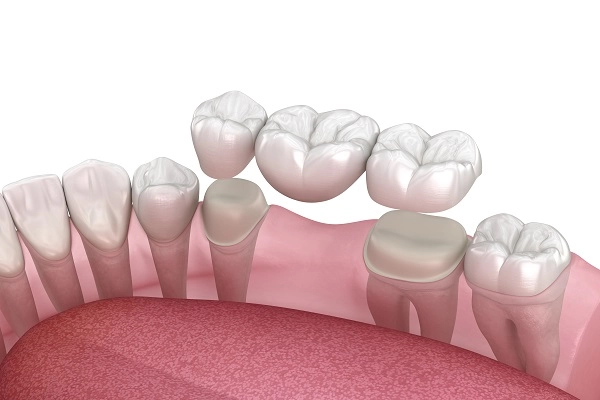
A dental bridge is one of the tooth replacement options a dentist might recommend to restore missing teeth and a patient’s smile. Regardless of the cause of tooth loss—injury, tooth decay, or an oral health condition—tooth loss can make eating inconvenient and even affect a patient’s confidence. Once in place, a dental bridge will improve the appearance of the smile and ensure full dental function for many years.
A dentist might recommend a dental bridge when one or more teeth are missing. As the name implies, a dental bridge connects the gap left by missing teeth. Different dental bridges are available, but the most common ones are traditional and implant-supported bridges.
Traditional and implant-supported bridges are similar in that they have two crowns and one or more prosthetic teeth, also known as pontics. The difference is that a conventional bridge holds the pontic or pontics in place with nearby dental crowns cemented over the patient’s natural teeth. However, if the patient receives an implant-supported bridge, the restoration is held in place by crowns cemented over dental implants.
Fitting a traditional dental bridge is a non-surgical procedure, which makes this tooth prosthetic suitable for most people who have lost one or more teeth. A dentist will recommend a dental bridge after consulting with the patient. Some of the conditions for determining eligibility include:
Loss of one or more teeth: anyone who has lost one or two teeth but still has healthy teeth present next to the gap can get a dental bridge. When more than three teeth are missing, the patient will need a more stable solution, like an implant-supported bridge or dentures. If more than one tooth is missing but not enough to require a full set of dentures, the patient will be better off with a conventional dental bridge.
When surgery is not an option: if a patient is not healthy enough to undergo surgery or simply does not like surgical procedures, a dentist will recommend a traditional dental bridge to restore dental function and appearance.
When a quick tooth replacement is necessary: installing a traditional dental bridge requires only two dental appointments, which makes it a quick alternative for restoring dental function.
Usually, anyone looking to replace a lost tooth with any kind of dental bridge should not have gum disease. Likewise, any adjacent teeth used to support the bridge should be checked for decay and other problems before placing the bridge. Even though oral health conditions will not disqualify a patient, they should be addressed first to reduce the risk of complications after placing the bridge.
The traditional dental bridge procedure has its benefits. Going to the dentist to replace lost teeth with dental bridges is a quick way to restore oral function and help patients feel more confident by giving them a complete smile. In addition, since the process is minimally invasive, recovery requires minimal downtime, and patients can start using the dental bridge as soon as the process is complete. However, patients should note that the traditional dental bridge requires significant alteration to the natural teeth to accommodate the crowns.
The procedure for getting an implant-supported bridge is longer due to the surgery to place the implants. First, the implants must be surgically implanted in the jawbone and given time to merge with the jawbone in a process known as osseointegration. This process takes 3 to 6 months in most cases. After this, the rest of the procedure is much like placing a traditional bridge. However, the implants, instead of natural teeth, are the crown’s attachment point.
Implant-supported bridges have the advantage of not requiring alteration of any natural teeth. However, the patient must have adequate jawbone to support their required implants. If a patient does not have sufficient jawbone support, bone grafting can help. However, this adds more time to the process.
Tooth loss should not stop you from living normally and enjoying life. Now, more than ever, patients have options when it comes to replacing teeth. Book a consultation appointment with the general dentist to know if you are eligible for a dental bridge. We look forward to helping you restore your chewing ability and confidence in your smile.
Request an appointment here: https://rrdentistrysofl.com or call R & R Dentistry PA at (561) 381-4744 for an appointment in our Delray Beach office.
Check out what others are saying about our dental services on Yelp: Dental Bridge in Delray Beach, FL.
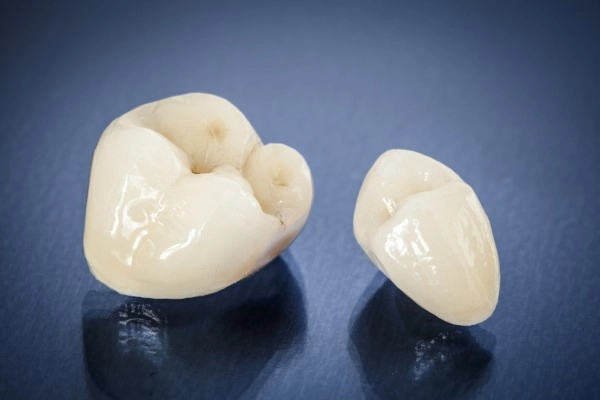
Learn the four questions you need to ask before getting dental crowns. These questions will help you understand this restoration technique.
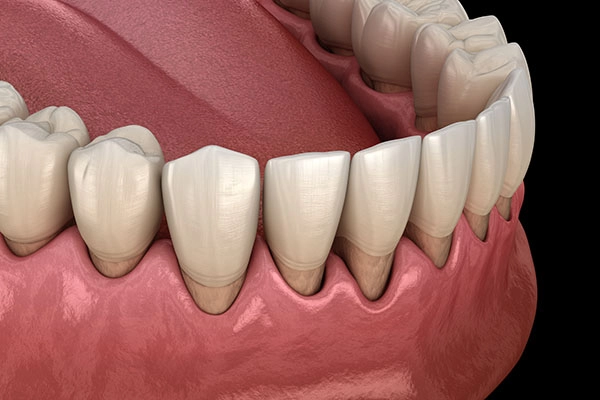
Many people think it is a normal part of an oral care routine, but dentists warn that bleeding gums are a sign something is wrong.

Finding the right cosmetic dentist requires careful consideration of various factors, from qualifications and experience to technological adoption and patient feedback.