
3 Reasons You Should See a Family Dentist to Treat Tooth Decay
Fluoride treatments can be used to reverse the demineralization stage of tooth decay, and fillings can be used to close up cavities.

Delray Beach, FL
Dental sealants cannot prevent all cavities but they help protect children’s teeth to reduce the risk of frequent cavities. Proper oral hygiene remains essential, and routine brushing and flossing keep a child’s mouth clean. While tooth decay is a common problem, many childhood cavities are preventable.
Dental sealants protect a child’s molars by sealing up cracks and crevices. During a sealant treatment, our team applies a special gel. This gel secures onto tooth enamel and hardens into a protective layer. Dental sealant guards the tooth against future decay.
Dental sealants are available at R & R Dentistry PA in Delray Beach and the surrounding area. Call us at (561) 381-4744 to schedule an appointment.
The Center for Disease Control estimates that more than 40% of children develop cavities in their baby teeth. Children often have a tough time brushing every corner of their mouth. Deep grooves or depressions in back teeth are especially vulnerable to decay. Inadequate or incomplete brushing allows plaque to build up in these trouble spots.
Dental sealants act as a barrier against harmful bacteria. The sealant gel bonds with the tooth to create a hard surface. This barrier keeps food, debris, and bacteria from penetrating. Sealants hold up against the force of daily chewing and prevent enamel erosion.
As many parents are aware, kids are fond of cavity-forming foods. Sugary and acidic foods and beverages are a big hit with most kids. Children also love sticky foods like toffees, taffies, and gummy candies.
These foods attach onto teeth, and they can be difficult to brush away. Good oral hygiene is not always enough to sweep away the remains of sugary foods. As bacteria feast on sugar, these treats can set your child up for future cavities. Sealants help provide an added defense in the most vulnerable parts of a child’s mouth.
It can be difficult for children to keep up with their oral hygiene. Many children skip their morning tooth-brushing or forget to floss at night. Busy parents may not notice that their children are cutting corners. But over time, skipping brushing or flossing can lead to serious dental problems.
Sealants are not a replacement for regular brushing and flossing, but they make it harder for bacteria and food to penetrate the enamel. They buy your child a little extra time to catch up with their oral hygiene. Dental sealants offer support to busy families with hectic schedules.
Most dentists recommend dental sealants as they deliver promising results. The American Dental Association has found that sealants reduce the risk of molar decay by nearly 80%. According to the CDC, “school-age children without sealants have almost three times more cavities than children with sealants.” This means fewer dental appointments and costly treatments for future complications.
Sealants have been used in dentistry for more than 50 years. During this period, dentists have studied the long-term effects of sealant gels. Institutions like the American Dental Association affirm that sealants are safe for children. Sealants help protect a child’s oral health and reduce their chances of tooth decay.
Preventive dentistry can help ensure a healthy mouth for years to come. A preventative measure may also save time and discomfort later on. Filling cavities and repairing tooth decay is often painful or uncomfortable. Restoring the damage can be a financial strain and a source of significant stress. Each minor filling causes stress or trauma to the gums and causes further complications over time.
An in-office sealant procedure can save time and trouble later on. It takes less than an hour to apply sealants. If a patient dislikes dentist visits, this procedure can limit the amount of time they spend in the dentist’s chair throughout their life.
A. Sealants are a thin material applied directly to the surface of the tooth. Dental sealants bond with the enamel to create a protective coating. This coating helps prevent cavity-causing bacteria from damaging the tooth.
Q. Do sealants hurt?
A. Dental sealants procedures are fast and painless. First, our dental team cleans the tooth and then applies a special gel to prepare the surface. After that, we attach the sealant and use a blue light to harden it. Most patients experience no discomfort during the procedure. Sealants do not leave your mouth sore or achy. No drilling or injections are required, and the process usually takes only a few minutes.
Q. When should I consider dental sealants for my child?
A. For optimal results, sealants should be applied to newly erupted molars. The first round of molars appears when a child is 6-7 years old. The second round usually appears at age 12-13, with wisdom teeth appearing around age 18. Our dental team can apply a sealant to each round of molars as they erupt.
Q. Can adults receive sealants?
A. Sealants are a popular preventive treatment for children, but adults can receive sealants too. Receiving sealants as a family can encourage your child to relax during their dentist visit. Our team can provide more details about adult sealant procedures.
Q. How much do dental sealants typically cost?
A. Dental sealants are a simple and minor treatment that are usually inexpensive. The average cost for sealants ranges between $30 to $60 per tooth. Payment plans and insurance can reduce these costs even further. We can discuss payment options during the consultation visit.
By visiting us as soon as possible, our team can help get you the professional treatment you need. Instead of waiting around and allowing the symptoms to get worse, we can provide you with treatment options.

Scan here to view this page, Why Dental Sealants Play an Important Part in Protecting Your Child’s Teeth, on mobile

Etchant is a gentle acid to treat the surface of a specific tooth to help the filling material stick to the tooth.

Scan here to open directions to R & R Dentistry PA on mobile

Fluoride treatments can be used to reverse the demineralization stage of tooth decay, and fillings can be used to close up cavities.

Your family dentist can provide the right type of preventive care to any member of the family so that each one can achieve better dental health.

Visiting the dentist can be an anxiety-inducing event for many people. The biggest reason for this is that general dentistry appointments ...
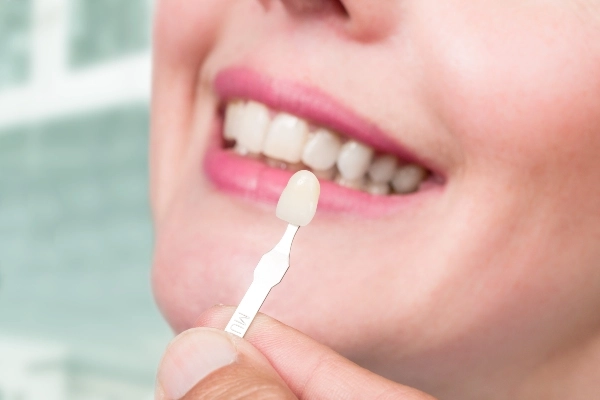
The first appointment for dental veneers is important since this is the time when your dentist will get to know your dental needs. Knowing what to ask your dentist can help you understand and prepare for your treatment.